Air Pollution, Tobacco, Diet: The Deadly Trio Driving Global Illness

The global health crisis isn’t driven by one factor but by a deadly trio: air pollution, tobacco, and poor diet. Together, they silently shape the world’s disease burden, cutting lives short and overwhelming health systems. Understanding their combined impact is vital to building a healthier, more sustainable future for all.
Across the globe, millions suffer daily from preventable illnesses linked to lifestyle and environmental factors. While medicine advances rapidly, three silent killers, air pollution, tobacco, and unhealthy diet, continue to claim more lives each year than any pandemic. These interconnected threats undermine human health, strain economies, and erode quality of life.
Each factor works differently, but together they form a powerful triad that amplifies the risk of chronic diseases such as heart conditions, cancer, diabetes, and respiratory disorders. Understanding this deadly trio is key to reversing today’s most persistent public health challenges.
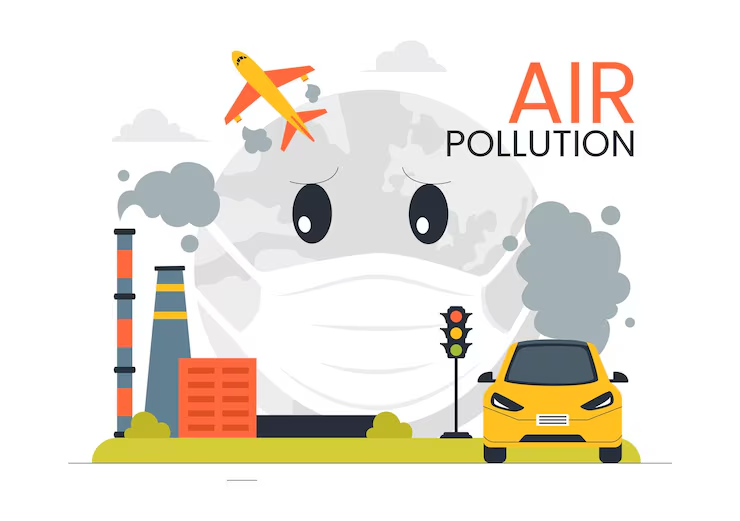
Air Pollution: The Invisible Killer
Air pollution remains one of the most underestimated threats to human health. It’s not confined to industrial cities; it reaches rural areas, homes, and even school environments. Delicate particulate matter (PM2.5) enters the bloodstream, damaging organs and weakening the immune system over time.
Health Impacts of Air Pollution
- Respiratory Diseases: Chronic obstructive pulmonary disease (COPD) and asthma are aggravated by polluted air.
- Cardiovascular Problems: Long-term exposure increases the risk of heart attacks and strokes.
- Premature Death: Studies consistently show reduced life expectancy in areas with high particulate concentration.
Actionable Steps to Reduce Exposure
- Avoid outdoor exercise during high pollution hours.
- Use indoor air purifiers and maintain clean ventilation.
- Support green energy initiatives and stricter emission standards.
While individuals can make small changes, lasting improvement demands collective action, urban planning, clean transport, and sustainable policies.
Tobacco: The World’s Most Preventable Killer
Despite decades of public health campaigns, tobacco use remains a leading cause of preventable deaths worldwide. Cigarettes, cigars, and smokeless tobacco products contribute to an enormous burden of cancer, lung disease, and heart conditions.
Health Consequences of Tobacco
- Lung and Oral Cancer: Prolonged exposure to tobacco smoke is the most significant cause of cancer-related deaths.
- Chronic Diseases: Smoking damages nearly every organ, reducing life expectancy by several years.
- Second-Hand Smoke: Non-smokers, including children, face severe risks from inhaling smoke in closed spaces.
Steps to Quit or Prevent Tobacco Use
- Seek professional support through cessation programmes.
- Replace smoking habits with healthier routines such as walking or deep-breathing exercises.
- Advocate for smoke-free public spaces and stricter advertising controls.
Ending tobacco dependence is not merely a personal choice; it’s a global necessity to reduce the long-term disease burden.
Unhealthy Diet: The Silent Catalyst
Dietary choices have shifted dramatically in recent decades. Processed foods, sugar-laden drinks, and excessive salt intake have replaced nutrient-rich traditional meals. This transformation fuels obesity, diabetes, and cardiovascular diseases, creating an invisible epidemic across all age groups.
Consequences of Poor Nutrition
- Obesity and Diabetes: Calorie-dense but nutrient-poor diets increase insulin resistance.
- Heart Disease: Saturated fats and trans fats contribute to high cholesterol and arterial blockages.
- Micronutrient Deficiency: Even calorie-rich diets can lack essential vitamins and minerals, leading to fatigue and weakened immunity.
Steps Toward a Healthier Diet
- Prioritise fresh fruits, vegetables, and whole grains.
- Limit processed foods and sugary beverages.
- Opt for balanced meals that combine protein, fibre, and healthy fats.
A healthy diet not only prevents chronic illness but also boosts productivity, longevity, and emotional well-being.
The Combined Impact: A Vicious Cycle
The danger lies not only in each factor individually but also in how they reinforce one another. For example, individuals exposed to air pollution who also smoke face compounded respiratory risks. Similarly, a poor diet weakens the immune system, making the body more vulnerable to pollutants and toxins.
This interconnection underscores the importance of integrated health policies that address environment, lifestyle, and behaviour together rather than in isolation. The future of public health depends on comprehensive prevention rather than reactive treatment.
Building a Healthier Future: What Can Be Done
Combatting these global threats requires both individual responsibility and systemic reform.
Collective Actions That Make a Difference
- Policy Support: Governments must enforce the Clean Air Act, regulate the tobacco industry, and promote food safety standards.
- Public Awareness: Schools and communities should encourage education on sustainable living and healthy habits.
- Healthcare Integration: Early screening, lifestyle counselling, and community-based wellness initiatives must become routine.
- Corporate Accountability: Food and tobacco industries should face stricter regulations on misleading marketing and environmental damage.
These coordinated efforts can shift societies from treating illness to fostering wellness.
Conclusion
Air pollution, tobacco, and poor diet together represent a global crisis that transcends geography and class. Each contributes silently but powerfully to premature deaths and chronic illnesses. The solution lies in recognising this triad as a unified threat, one that can be curbed through education, policy, and mindful living.
A cleaner environment, a smoke-free society, and a nutritious diet are not luxuries but essentials for survival. By addressing these three pillars together, humanity can chart a path toward a healthier, more resilient world.
Leave Your Comment